

Why Air Sterilisation is Critical In The Agri-Food Industry?
Key Issues With Airborne Pathogens
-
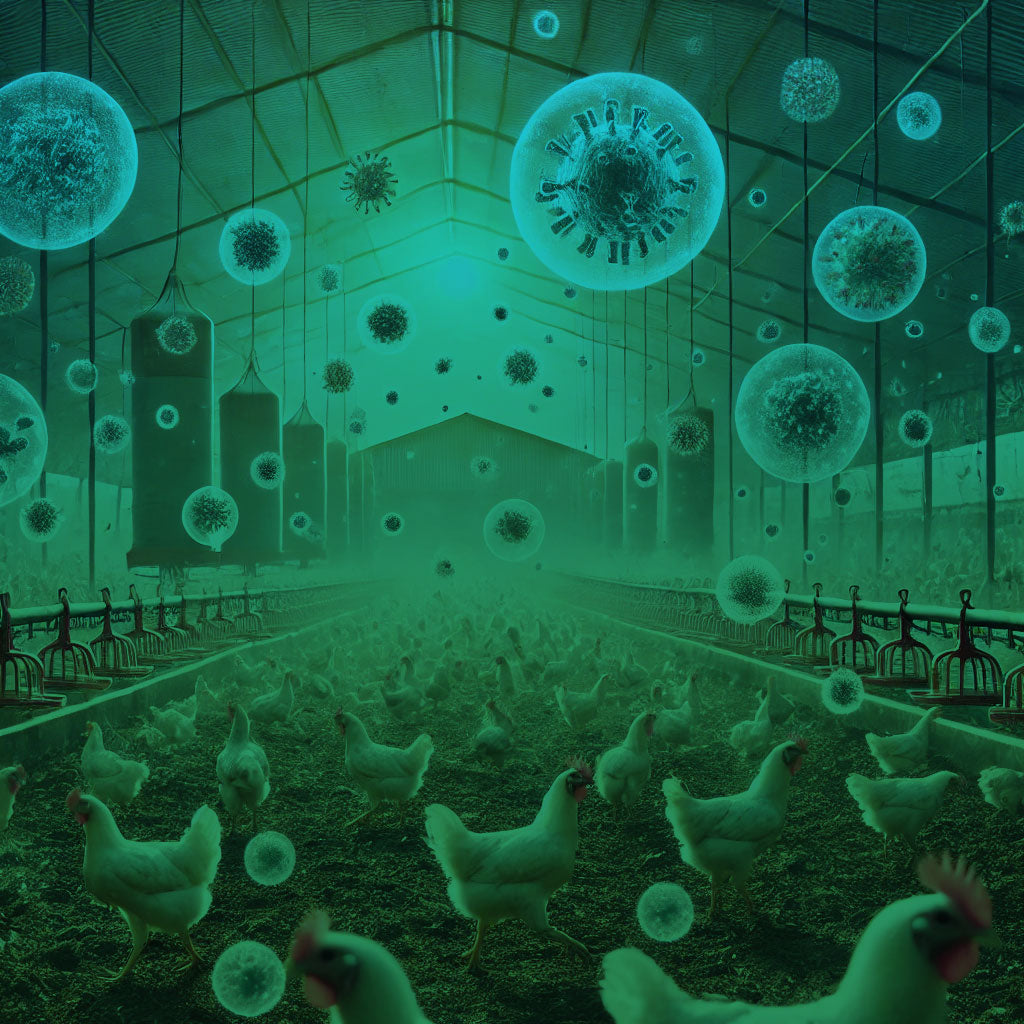
Animal Health and Productivity
Livestock are highly susceptible to airborne diseases such as avian influenza in poultry, PRRS in pigs, and bovine tuberculosis in cattle. These pathogens can spread rapidly through ventilation systems, reducing feed conversion efficiency, slowing growth rates, and increasing mortality. Poor air quality directly impacts animal welfare and farm profitability.
-
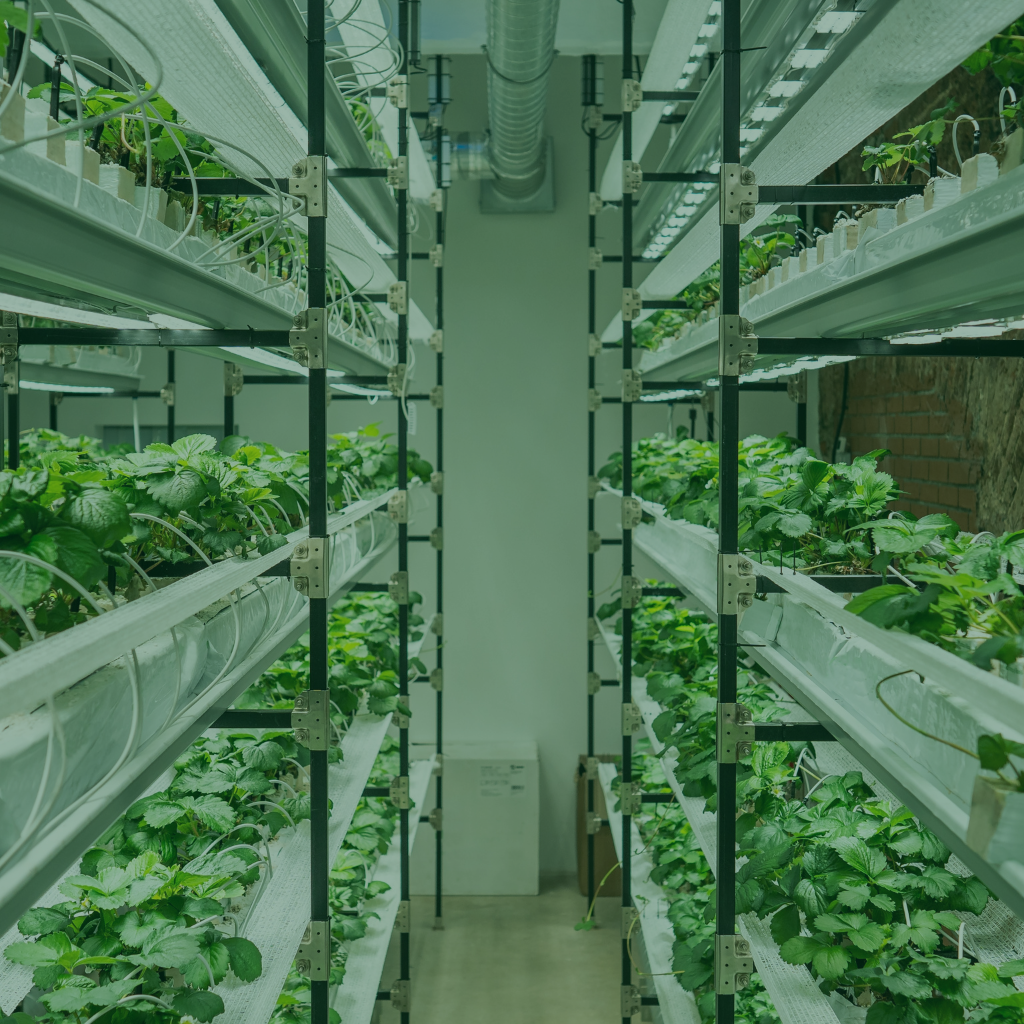
Crop Disease and Yield Loss
In horticulture and mushroom farming, fungal spores such as Trichoderma, Botrytis, and Aspergillus are common airborne contaminants. These plant pathogens reduce yields, lower product quality, and lead to significant economic losses for growers. Effective airborne disease control is critical to maintaining consistent, high-quality harvests.
-
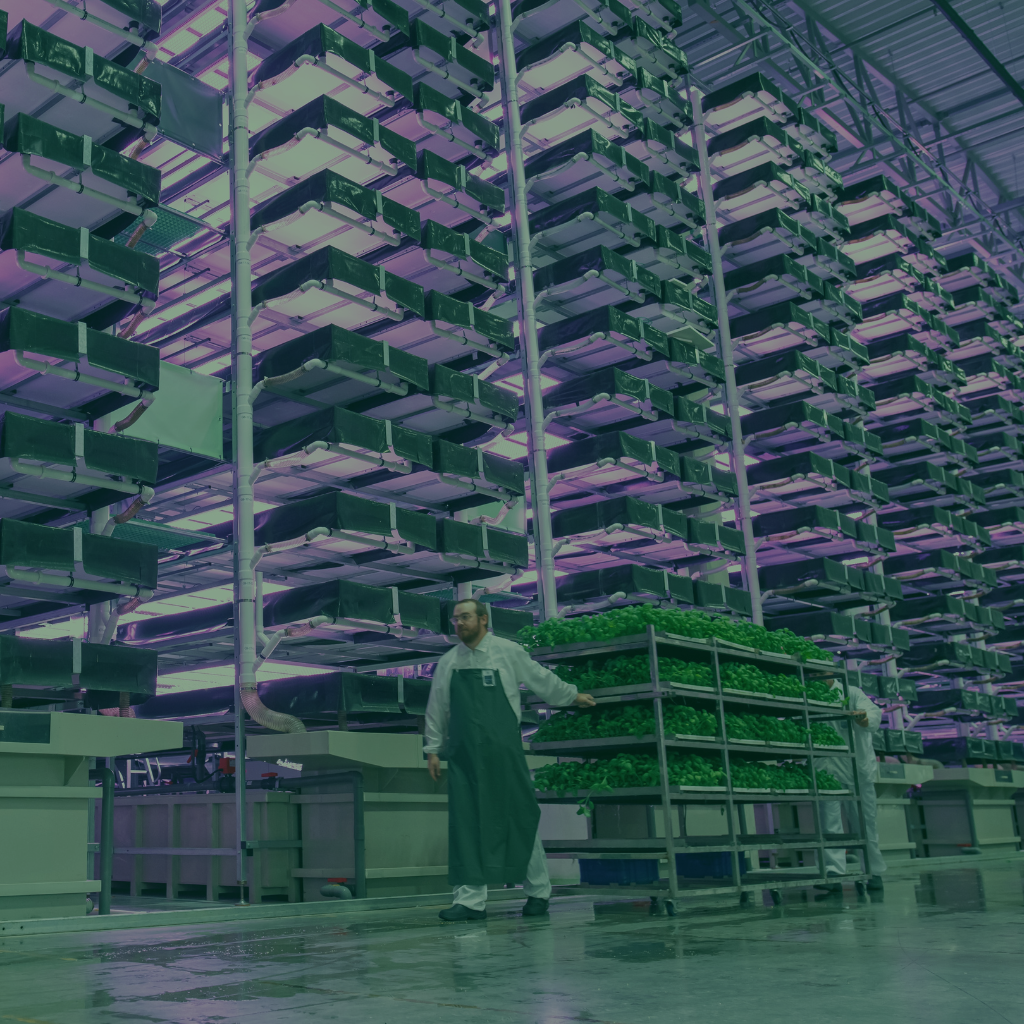
Food Safety Risks
In food processing and storage facilities, airborne bacteria like Salmonella, Listeria, and E. coli can contaminate equipment, surfaces, and products. This creates a direct threat to consumer health, increases the likelihood of food recalls, and can cause long-term reputational damage for producers.
The Solution
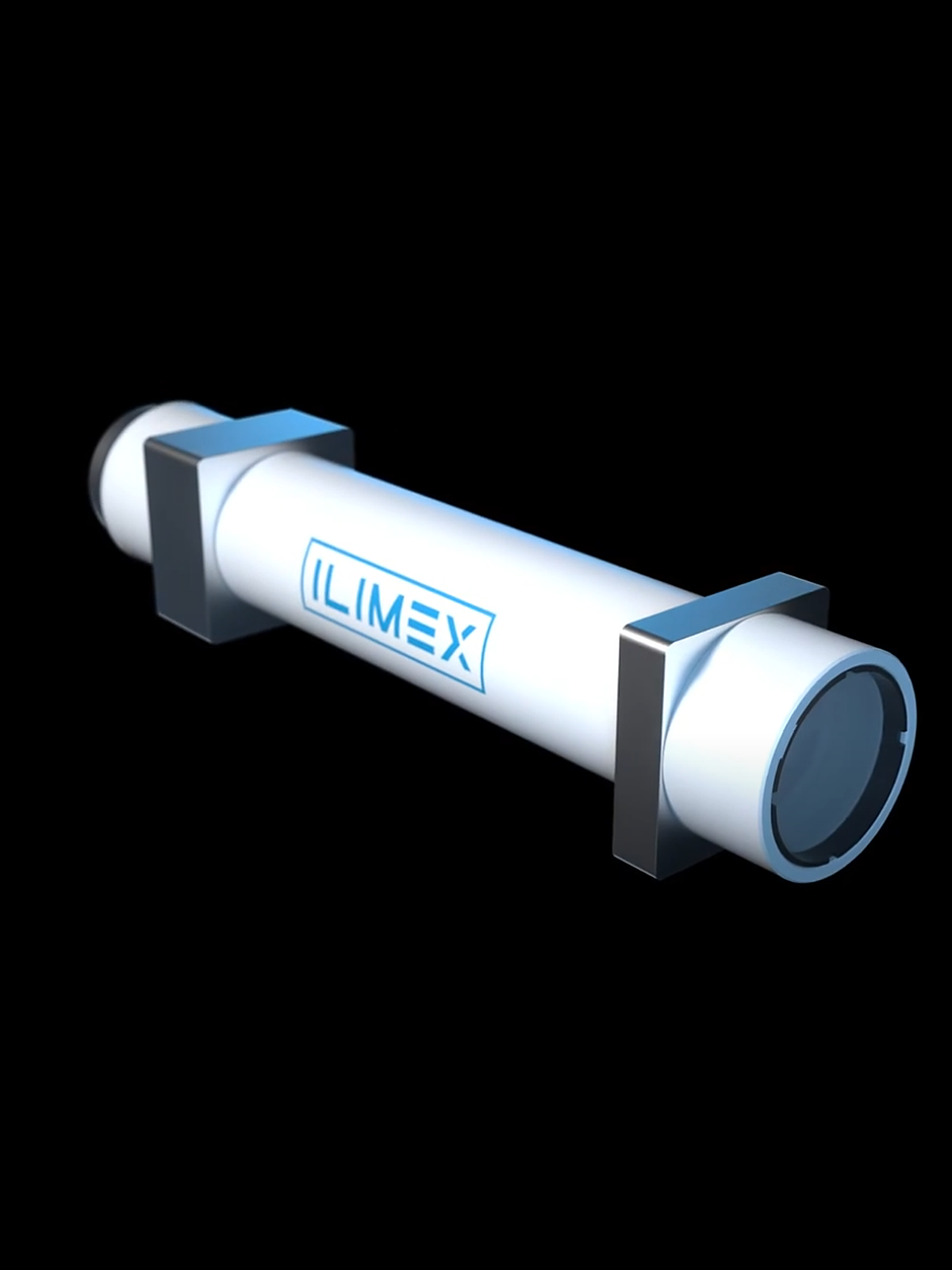
Flufence will continuously inactivate <99.9999% of airborne pathogens on each pass through the ILIMEX Flufence
- Eliminates airborne bacteria, viruses, and fungi
- Enhances biosecurity and disease prevention
- Reduces ammonia levels for improved air quality
- Optimises bird health and feed efficiency
- Supports higher production yields with fewer losses
- Protects local ecosystems by preventing contamination
Contact us to see how Flufence can help protect your Agri-Food Industry from Aviation Flu through Air Sterilisation and Pathogen Elimination.
Industry News
View all-

How to improve poultry growth rates
Increasing yields through better air quality and environmental control Improving poultry growth rates isn’t just about feed. While nutrition plays a key role, the environment birds are raised in has...
How to improve poultry growth rates
Increasing yields through better air quality and environmental control Improving poultry growth rates isn’t just about feed. While nutrition plays a key role, the environment birds are raised in has...
-

How do I reduce disease risk in poultry environ...
Practical steps to protect against avian flu in poultry environments Avian influenza remains one of the biggest ongoing threats to poultry operations across the UK. For producers, the impact goes...
How do I reduce disease risk in poultry environ...
Practical steps to protect against avian flu in poultry environments Avian influenza remains one of the biggest ongoing threats to poultry operations across the UK. For producers, the impact goes...
-

A J Forster Trial - Sterilising Air in a 26,000...
Two houses on the AJ Forster farm were compared during the trial. House 2 contained the Ilimex Flufence system while House 5 acted as the control. Environmental parameters were monitored...
A J Forster Trial - Sterilising Air in a 26,000...
Two houses on the AJ Forster farm were compared during the trial. House 2 contained the Ilimex Flufence system while House 5 acted as the control. Environmental parameters were monitored...


